

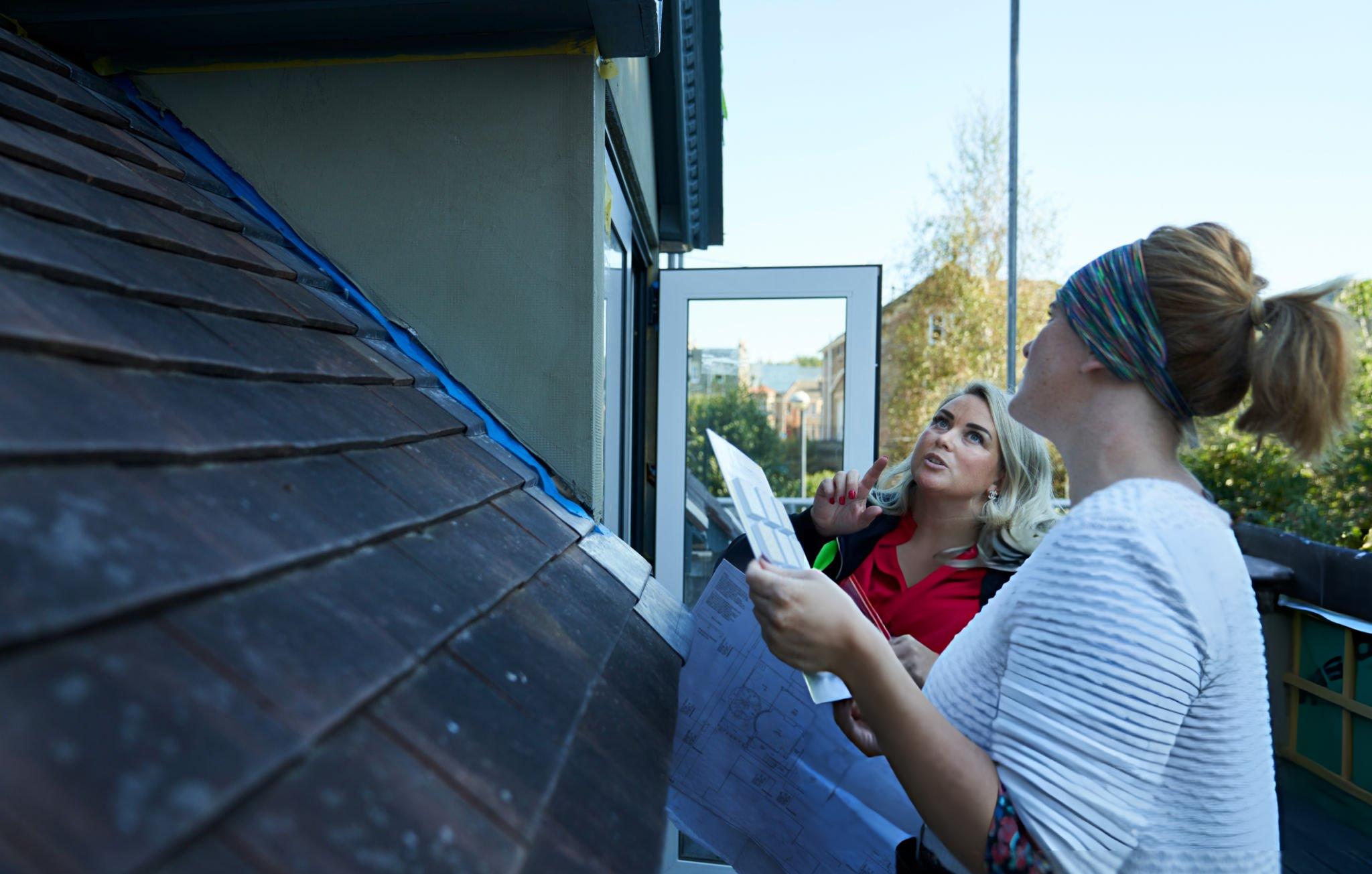
Saskatoon winters don’t go easy. Between the winds, heavy snow, and deep chill, homes take a beating if they aren’t ready for it. Before the first snowfall, it’s smart to check the outside of your home and make updates where needed. A few small fixes now can help avoid bigger problems when winter hits hard.
Exterior improvements in Saskatoon mean more than just keeping your home looking nice. They’re our first line of defence against moisture, ice, and cold air sneaking in where it shouldn’t. Taking time in October or early November to prep the outside means fewer surprises, less stress, and a home that stays warm and safe right through to spring.
Let’s walk through a few places where early attention makes a big difference.
Seal It Up: Cracks, Gaps, and Drafty Areas
When the temperature starts to fall, even the smallest cracks can let in cold air and water too, which becomes a troublemaker once it freezes.
• Start by checking around your doors and windows, especially older frames that may have shifted or expanded over time.
• Look for cracked caulking, gaps where the siding has pulled away, or spots where you can feel a draft with your hand.
• Adding fresh caulking or swapping out worn weatherstripping is a quick job, but helps keep your indoor heat from leaking outside.
• If left alone, those tiny gaps can let in moisture, which often leads to freezing around pipes or inner walls. That’s when repairs get a lot more complicated.
Fixing these things now helps prevent bigger issues once things freeze solid. We like to think of this as winter-proofing from the inside out, by keeping outside air where it belongs.
Roofs, Gutters, and Ice Dams: Stay Ahead of Snow Trouble
The roof takes a lot of winter’s harshest hits. Snow piles up, and then it melts and refreezes, all while your roof has to drain the excess water away. That’s where problems can start if you’re not ahead of it.
• Walk around your house and check for shingles that look loose, shifted, or missing entirely. These are weak spots where water finds its way in.
• Gutters should be fully cleared out before the first snowfall arrives. Leaves and gunk blocked up in the fall can lead to water pouring over the sides and freezing into long icicles. Those icicles often look nice in photos, but they usually mean ice dams are forming underneath.
• If water settles under roof edges and keeps refreezing, it forces its way upward under the shingles. Over time, that’s where you get leaks, warped wood, and interior damage.
This isn’t just about the snow itself; it’s what snow turns into when the temperatures jump around. Drainage should be smooth so melting snow doesn’t hang around longer than it should.
Insulating the Outside: Help Your Home Hold Heat
Insulation isn’t only something that lives inside your walls. What’s happening on the outside of your home matters just as much when it comes to keeping warm air in and cold air out.
• Old or damaged siding can lose much of its ability to protect your insulation. If it’s cracked, pulling away from the house, or just not holding up well, your energy use could spike as your heating system works harder.
• When planning for siding updates, it’s a smart time to add a layer of exterior insulation beneath it. That extra step often makes a very noticeable difference during the coldest months.
• Don’t forget about other exposed spots either. Decks, porch railings, and outdoor wood trim should be sealed or painted before the freeze hits. Moisture left sitting in exposed wood will expand in the cold, leading to splintering or rot by spring.
These exterior improvements in Saskatoon weather can actually help manage your indoor temperatures better. With the wind howling for weeks at a time, every layer of protection counts.
Winter-Ready Entrances: Walkways, Stairs, and Driveways
Not all cold-weather problems happen up high. What’s beneath our feet creates its own set of hazards once ice starts to form.
• Cracked or lifting concrete becomes dangerous fast when covered with snow or hidden under black ice. If you’ve been meaning to patch up old walkways or raised steps, early fall is your last good window to get it done.
• Winter can push small cracks wider. Water fills those spaces, freezes, and then splits the surface even more. Addressing them now helps avoid major repairs after winter.
• Stairs and entryways, in particular, should feel solid underfoot. Wobbly handrails or uneven treads are risky enough during daylight, but once Saskatoon’s long, dark mornings and early sunsets set in, they become even trickier.
• Adding motion-sensor lighting or upgrading your outdoor bulbs is also a small change that makes a big difference. You’ll be glad for the extra light when heading out early or coming home late during the short winter days.
Getting in and out safely during winter starts with making sure the entry points are solid and easy to see.
A Season of Preparation Makes the Difference
It doesn’t take big construction projects to get your home ready for winter. Sometimes it’s the little things, patching a crack, re-sealing a window, updating a light, that make day-to-day life much smoother when the bitter cold arrives. From updating siding and outdoor stairs to adding protective finishes for wood elements, focusing on exterior improvements helps keep your home secure through Saskatoon’s coldest months.
When we plan ahead and look after our homes before the snow comes, we trade stress for peace of mind. Saskatoon winters are tough on houses, but by paying attention to the details now, we help make the season warmer, safer, and more comfortable.
Getting your home ready for the cold is easier when you focus on what matters most outside. Thinking about a few smart updates before the snow arrives? We can help with all kinds of exterior improvements in Saskatoon, from sealing cracks to making your entryways stronger. Making sure everything is weather-tight means you have less to worry about when winter begins. At 365 Construction, we believe good planning makes the season smoother. Contact us today and let’s chat about how to get your home set for the real cold.