

In Saskatoon, we don’t just have "winters." We have endurance tests. When the temperature drops to -30°C and the wind starts howling across the prairies, your home isn't just a place to live: it’s a pressurized vessel trying to keep the cold out and the expensive heat in.
At 365 Construction, we see it every year. Homeowners call us because their furnace is running non-stop, yet they still feel a chill. Most people think the solution is a bigger heater or a higher thermostat setting. The reality is often simpler and far more structural. If your home’s "envelope" is leaking, you’re essentially trying to heat the entire neighborhood.
We believe in a pragmatic approach to residential renovations in Saskatoon. It’s not just about the paint and the cabinets; it’s about the invisible elements: the sealing, the insulation, and the structural integrity: that dictate your monthly bills and your family's comfort.
Here are seven energy-smart hacks that actually work for our specific climate.
1. The DIY Draft Hunt: Identifying the "Invisible" Leaks
Before you spend a dime on new equipment, you need to find out where your money is literally flying out of the house. In Saskatoon, the wind is a powerful diagnostic tool. On a particularly gusty day, take a lit incense stick or even a damp hand and move it slowly around common leak points.
Focus on these specific areas:
- Baseboards and Floor Junctions: In older Saskatoon homes, the seal between the wall and the floor often fails, allowing cold air from the crawlspace or basement to seep in.
- Electrical Outlets: This is a classic "behind-the-wall" culprit. Exterior wall outlets often lack proper gaskets, turning them into tiny wind tunnels.
- Plumbing Penetrations: Look under your sinks where pipes enter the wall. If there’s a gap, it’s a direct line to the cold air inside your wall cavities.
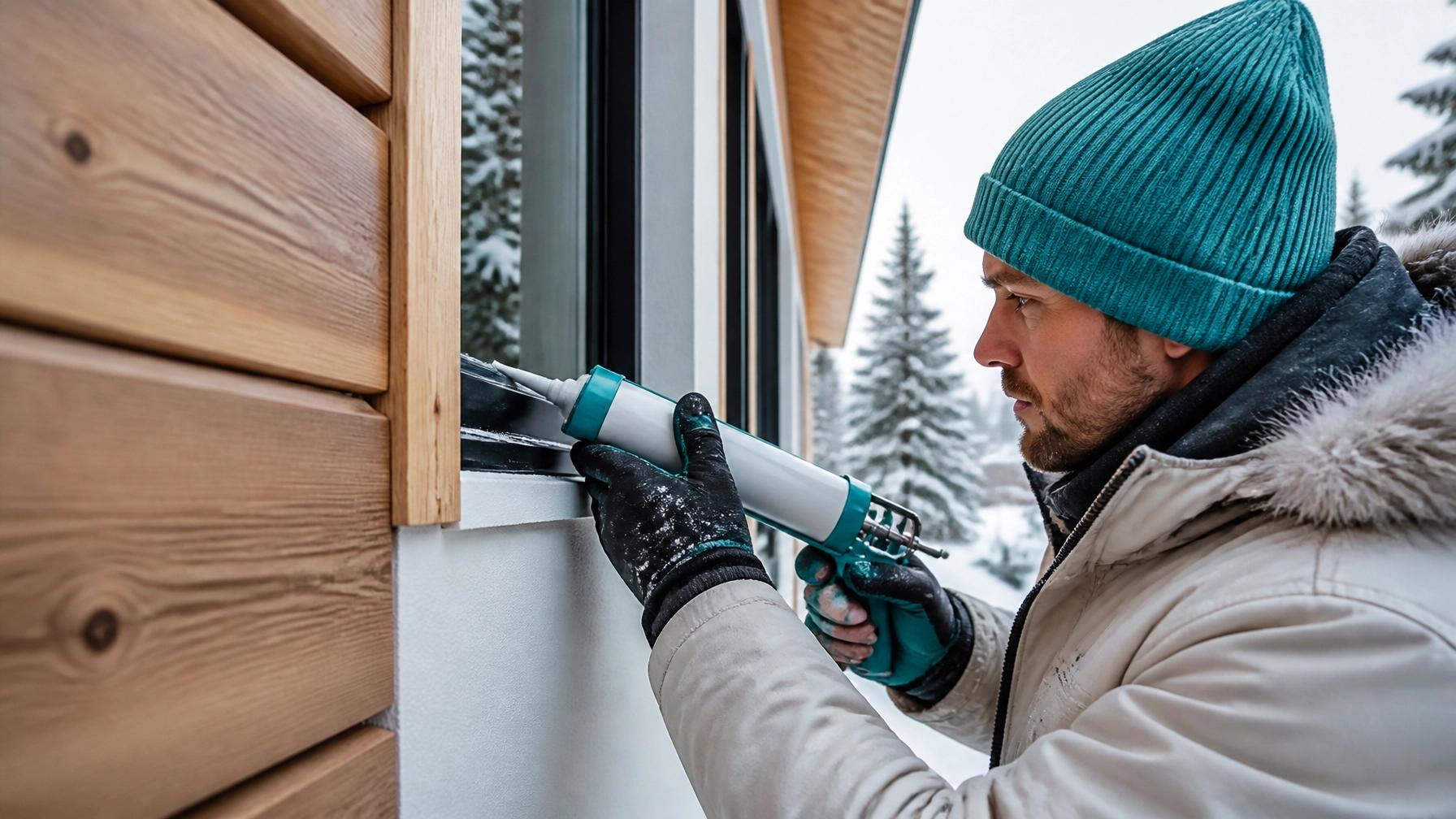
Sealing these with high-quality, paintable caulk or expandable foam is a low-cost "hack" that provides immediate relief. It’s about creating a solid, weather-tight barrier before the first blizzard hits.
2. Fortify the Attic and Rim Joists
If you want to talk about "bang for your buck," we have to talk about insulation. Heat rises. In a poorly insulated home, your attic acts like an open chimney.

We often find that older homes in neighborhoods like Nutana or Caswell Hill have settled insulation that no longer meets modern R-value standards. To keep your home durable and energy-efficient, you should aim for R-60 insulation in the attic.
Don't ignore the rim joists: the area where your foundation meets the wood framing of your house. This is one of the most common spots for heat loss. Using spray foam or rigid foam board to seal these joists prevents the "stack effect," where cold air is sucked in through the bottom of the house while warm air escapes through the top. This is a fundamental part of why home renovation in Saskatoon is a smart investment.
3. The Window Strategy: Beyond Just Glass
New windows are a great long-term investment, but if they aren't in the budget this year, you need a tactical approach to the ones you have.
- Window Film: It’s a simple DIY step, but clear shrink-wrap film creates an extra layer of still air, which acts as an insulator. In our climate, this can reduce condensation and drafts significantly.
- Thermal Curtains: Invest in heavy, insulated drapes. At night, close them to create a thermal break. During the day, if the sun is hitting your south-facing windows, open them wide. That "solar gain" is free heat provided by the Saskatchewan sun.
- Weatherstripping: If you can see light around your door frame, you’re losing heat. Replace worn-out rubber seals. A door sweep on the bottom of your entry door is a five-minute fix that can stop a massive amount of cold air.
4. Reverse Your Ceiling Fans
This is the most overlooked "hack" in the book. Most ceiling fans have a small toggle switch on the motor housing. In the summer, you want the blades to spin counter-clockwise to create a breeze. In the winter, you should switch them to clockwise at a low speed.
Because heat rises, a clockwise rotation creates an updraft that pushes the warm air trapped at the ceiling back down into the living space. It’s a simple mechanical solution that allows you to feel warmer without actually turning up the furnace. It’s about managing the air you’ve already paid to heat.
5. Mechanical Maintenance: The "No-Nonsense" Furnace Check
Your furnace is the heart of your home during a Saskatoon winter. Treating it with neglect is a recipe for a mid-January breakdown.

- Filter Changes: A dirty filter forces your furnace blower to work harder, consuming more electricity and putting unnecessary strain on the motor. Check your filter every month during the heating season.
- Clear the Vents: Ensure that your return air grilles and heat registers aren't blocked by furniture or heavy rugs. Your system needs to breathe to stay efficient.
- Professional Tuning: Having a professional check your heat exchanger and burner alignment can ensure you’re getting the maximum BTUs out of every cubic meter of natural gas.
For larger homes or those looking at general contractors for large renovation projects, upgrading to a high-efficiency furnace often qualifies for rebates and pays for itself through reduced consumption within a few seasons.
6. Smart Thermostat Scheduling (The 20/17 Rule)
We aren't suggesting you freeze in your own home, but precision matters. A programmable or smart thermostat allows you to automate your savings.
The standard recommendation for our region is 20°C when you are home and active, and 17°C when you are sleeping or away. Lowering the temperature by just a few degrees for eight hours a day can shave up to 10% off your annual heating bill.
Note: Avoid extreme drops (below 15°C) in older homes during deep freezes, as this can increase the risk of pipes freezing in exterior walls if the insulation isn't perfect.
7. Grading and Exterior Preparation
Energy efficiency isn't just about the air; it’s about the moisture and the soil. If your yard isn't properly graded, melting snow can pool against your foundation. This moisture can penetrate the concrete, creating a "cold damp" feel in your basement that is much harder to heat than dry air.
Before the ground freezes:
- Ensure your downspouts extend at least 6 feet away from the foundation.
- Clear debris from window wells to prevent snow buildup.
- If you have an attached garage, ensure the weatherstripping on the "big door" is solid. An uninsulated garage acts like a giant heat sink attached to your living room wall.

Solid Preparation Leads to Peace of Mind
At 365 Construction, we believe a home should be a fortress against the elements. These hacks are pragmatic, effective, and prioritize structural function over purely aesthetic upgrades. By focusing on the "behind-the-walls" details: sealing, insulation, and maintenance: you aren't just saving money; you're ensuring your home remains a safe, durable sanctuary for your family.
Saskatoon winters are inevitable, but high energy bills don't have to be. If you’re ready to take a deeper look at your home’s efficiency or are planning a larger renovation to make your space more comfortable year-round, let’s talk. We bring European craftsmanship and local expertise to every project, ensuring your home is built: and maintained: to last.
Ready to transform your space into a more efficient, durable home? Contact us today to discuss your next project.