

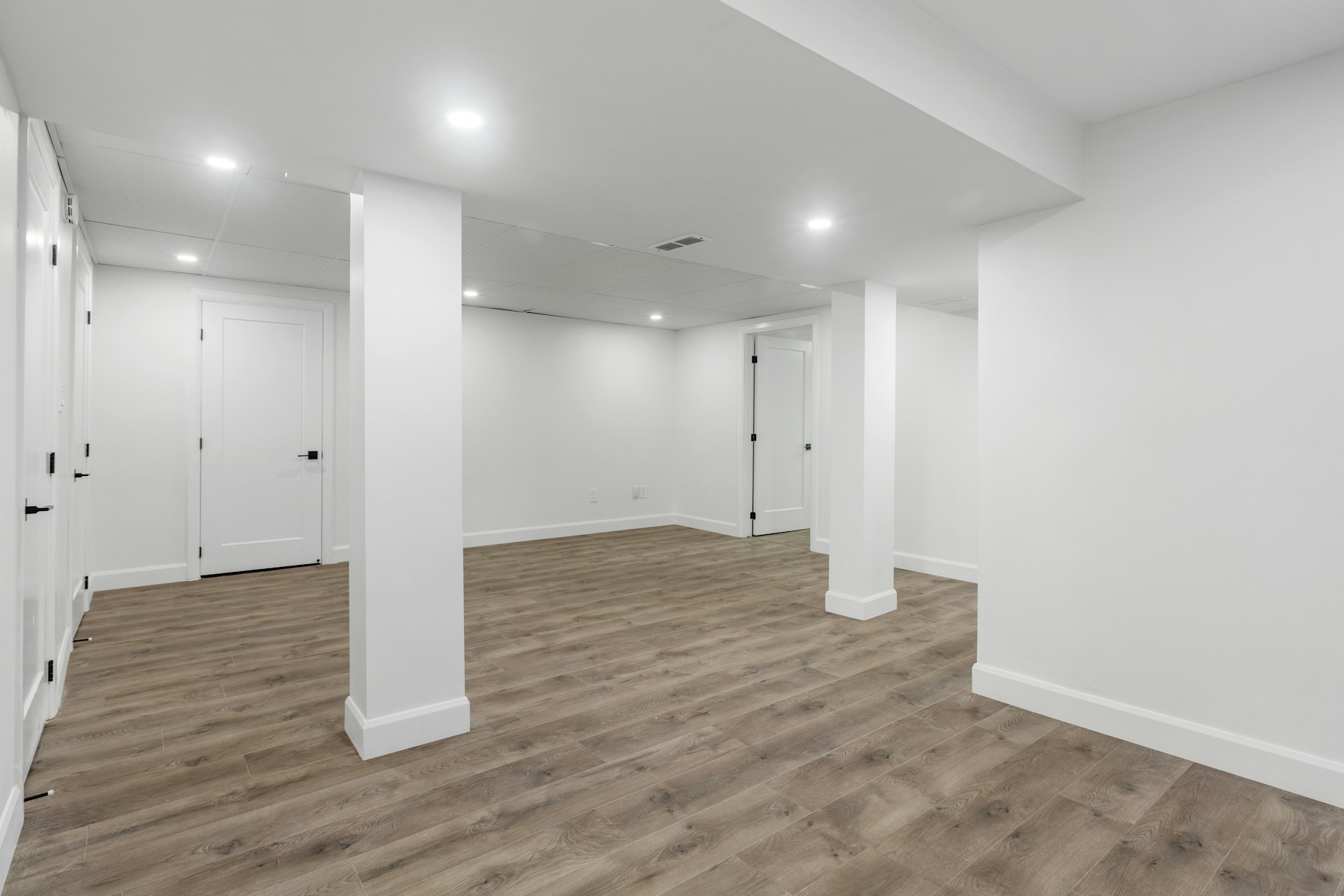
Cold, wet winters make moisture one of the biggest concerns when planning a basement renovation in Saskatoon. The combination of frozen ground and melting snow places constant pressure on foundation walls, pushing water toward any weak spots. Without proper planning upfront, those damp spots can lead to long-term problems like rot or mould.
Knowing where moisture comes from and what to watch for helps with more than just repairs. It lets us make smart choices about materials, layout, and building methods that keep the space dry, even through our harshest weather. At 365 Construction, a family-owned company based in Saskatoon, we bring that level of planning into every residential renovation project we take on, including basement work.
How Moisture Enters Your Basement
Water can sneak into lower-level spaces in more ways than most people think. In Saskatoon, that process starts with winter itself. Snow builds up around the edges of a home, then slowly melts as ground temperatures shift. If there’s nowhere for that water to drain, it heads straight for basement walls.
Some basements, especially in older homes, show this clearly. We look for signs like:
• Cracked foundation walls or floor slabs
• Uneven patches of paint or peeling wall finishes
• Musty odours that linger even after cleaning
• Pools of water after a thaw or heavy rain
These warning signs may seem small at first, but they can lead to bigger headaches if ignored during a remodel.
The Role of Proper Waterproofing Before Finishing
Before adding new walls, flooring, or trim, it’s smart to stop and think about waterproofing. This step isn’t just for wet basements, it’s a solid plan for any build below ground.
There are two main ways we deal with water:
• Exterior work, like adding drainage tile or applying waterproof coatings, helps protect the structure itself. It pushes water away before it reaches the basement.
• Interior solutions, like sealants or special subfloor membranes, can block minor moisture or add extra protection when exterior work isn’t possible.
Every house has its own risks based on layout, lot slope, soil, and drainage. Matching the waterproofing method to the space helps avoid surprises once the drywall goes in.
Planning for Moisture with the Right Materials
Waterproofing is only part of the plan. What goes inside the basement matters just as much, especially with Saskatoon’s dry winters and humid summers.
Not all materials hold up the same way under pressure from moisture. If we want the new space to last, we choose materials that are made for where they’re going. Here’s what we usually focus on:
• Flooring that resists swelling or buckling from changing moisture levels
• Wall insulation that won’t trap condensation behind finished surfaces
• Vapour barriers laid behind drywall to reduce long-term dampness
Even the style of framing can make a difference. Planning for small things like air gaps or drainage paths supports better airflow and stops water from getting stuck where it shouldn’t be.
Ventilation and Airflow Matter Year-Round
One issue that sneaks up on people during a basement renovation in Saskatoon is airflow. Most basements don’t get much fresh air, especially once temperatures drop. With snow outside and windows closed tight, trapped humidity has nowhere to go.
We plan for that early. Good ventilation in a basement renovation can include:
• Low-noise fans that circulate air behind walls or inside rooms
• Dehumidifiers that keep the space dry during construction and after move-in
• Strategically placed vents to help air move between rooms, not just through them
This planning makes the basement feel more like the rest of the home. It also cuts down on that cold, damp feeling that some below-ground rooms develop over time.
What Contractors Watch for During Construction
Moisture problems might not show up until construction starts. That’s why we stay alert through every phase, not just planning and demo.
Here are some common things we check during the build:
• Sump pump operation, and whether drainage lines are clear and working
• Concrete cracks that could open wider once framing applies pressure
• Damp insulation or framing materials that must dry before finishing
The earlier these are found, the easier they are to fix. Site inspections, even in the middle of winter, help us react before minor water issues become major rebuilds.
By carefully considering each aspect of moisture control during your basement project, you set a strong foundation for a successful renovation. Addressing potential issues early not only prevents future damage, but also ensures a comfortable living environment. Taking measured steps to manage water infiltration and encourage proper airflow contributes to the long-term durability of your home. This thoughtful approach is essential for maintaining both the integrity and the value of your property throughout its lifespan.
Keep Your Basement Dry, Safe, and Comfortable
Planning for moisture during basement renovations doesn’t have to slow things down, but it can’t be skipped. Every choice made at the beginning of the job, from waterproofing to ventilation, helps protect the finished space later on.
With Saskatoon’s freeze-thaw winters and older housing stock, we treat basement projects with extra care. A dry basement is more than just comfortable, it’s a dependable part of the home that works in every season. At 365 Construction, we combine European craftsmanship with practical, sustainable building practices so that moisture control supports both comfort and long-term durability. Thinking about moisture early makes all the difference down the line.
Planning a basement renovation in Saskatoon means considering moisture control from the very start so that your space performs well through Saskatoon’s long winters and wet springs. From wall prep to ventilation choices, managing water properly is key to a lasting, high-quality build. At 365 Construction, we think ahead to ensure every project stands the test of time. For more about how we approach every step of a basement renovation in Saskatoon, contact us to discuss your project.